
Table etiquette is an ancient and fascinating subject — and it finds an extraordinary historical setting at the Sforza Castle in Milan. Yuliya and Alesia Savitskaya, writers and etiquette experts based in Florence, guide us through the Museum of Decorative Arts housed within this celebrated fortress to discover how everyday objects — cutlery, plates, table settings — tell us far more than we might imagine.
Table Etiquette and the History of the Sforza Castle
The Sforza Castle is one of Milan’s most important tourist attractions. Its construction dates back to the second half of the fourteenth century, begun by the Visconti dynasty for defensive purposes. Today it houses museums of extraordinary cultural value, including the Museum of Decorative Arts, where musical instruments, paintings, sculptures and design objects span centuries of history.
It is here, among the rooms of the museum, that table etiquette reveals its true depth: every object on display tells the story of the style, culture and ethical values of an era and its protagonists. To explore the history of the castle further, visit the official website of the Sforza Castle Milan.

What Table Manners Reveal According to Etiquette
Every gesture made at the table communicates something about us. According to the Savitskaya sisters, table manners reveal a person’s lifestyle, established habits, cultural preferences and even their deepest fears.
These are not abstract rules: the way we organise our everyday meals — and those reserved for special occasions — reflects our aesthetic taste, our cultural level and our worldview. Food has always been the faithful companion of humankind, nourishment for the body that allows the spirit to express itself through relationships, art and culture.
1. Table Etiquette: the Choice of Venue
Even the place where we choose to eat speaks volumes about us. According to table etiquette, this choice reveals the education we have received, our level of personal culture, our aesthetic taste, our social preferences and our economic situation. An awareness that transforms every meal into a cultural act — not merely a nutritional one.
2. Table Setting and Cutlery
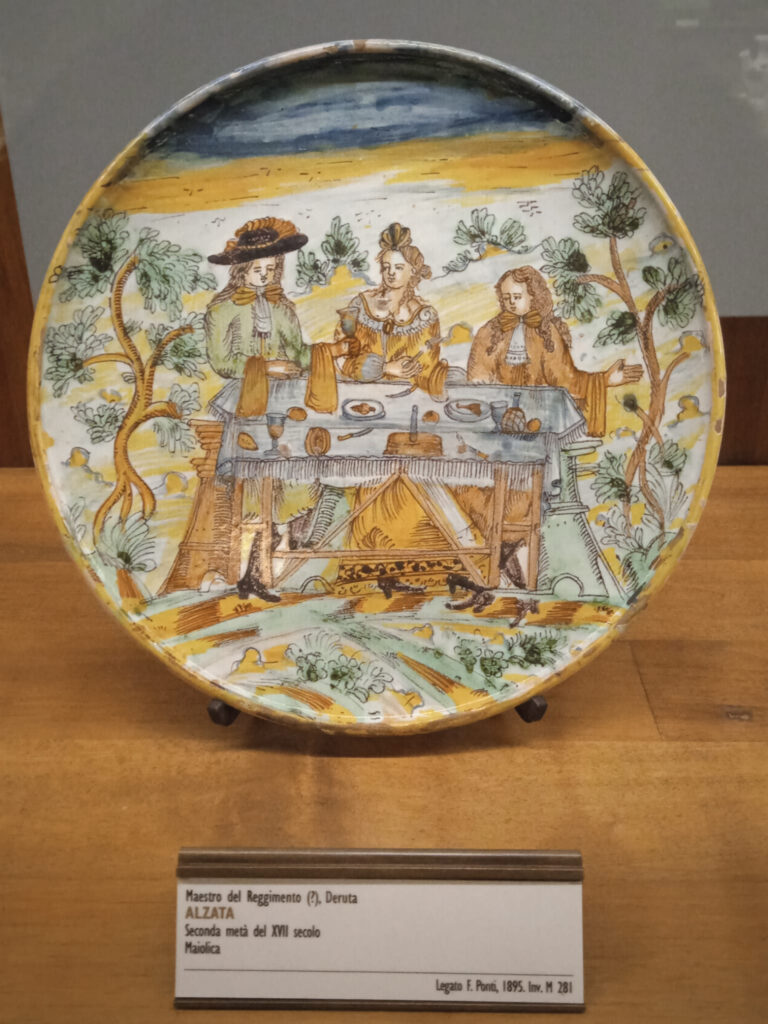
The way a table is set demonstrates a knowledge of etiquette and an understanding of the occasion and its circumstances. The cutlery exhibition at the Sforza Castle illustrates this clearly: design and materials have evolved over time, reflecting the tastes of each era and the personalities of their owners.
3. The Choice of Cutlery as a Sign of Respect
The choice of cutlery underlines the degree of respect one has for oneself and for those sharing the meal, one’s knowledge of etiquette history, and a person’s aesthetic and cultural level. Details that may seem secondary but that define the quality of a relationship and a shared moment. For a broader reference on international table setting standards, the Emily Post Institute is an excellent resource on modern table etiquette.
4. Table Etiquette as a Philosophy of Life
The Savitskaya message goes beyond simple etiquette rules. Table etiquette is a philosophy of life: learning and observing its principles means choosing to be part of a cultivated society, one capable of appreciating beauty in everyday things.
A principle as valid today as it was during the Renaissance, when Florence and Milan set the standard across all of Europe in matters of culture, art and good manners.
5. Every Object Tells a Story
Each piece of cutlery, each plate, each table arrangement on display at the Sforza Castle is a silent witness to social history. Studying table etiquette through the lens of decorative arts reveals how the rituals of eating have always been intertwined with questions of identity, status, and civilisation.
Table Etiquette: A Living Tradition
The Savitskaya sisters remind us that etiquette at the table is not a relic of the past — it is a living tradition that continues to shape how we relate to one another. Whether at a formal dinner or a simple family lunch, the way we behave at the table reflects who we are and the values we hold.
To deepen your understanding of etiquette culture, read our related article on Professional Etiquette by the Savitskaya Sisters.
Text inspired by the article by Yuliya and Alesia Savitskaya published in Fiorenza Oggi.